
What Is an OBD2 Scan Tool and How Use It?
- Andrew Marks
- Car Wisperer
The small tool that lets you diagnose your cars check engine light, and save big on repairs.
It usually begins the same way: you’re driving with music playing, everything feels fine, then that little amber light comes on your dashboard. The dreaded Check Engine Light. You find yourself thinking, I really should have gotten that OBD2 scan tool.
Your stomach sinks. It might be just a loose gas cap or a faulty sensor, but you worry it could be something serious that will cost hundreds to fix.
Before you panic or rush to an expensive repair shop, remember this: your car is giving you clues about what’s wrong, and you don’t have to be a mechanic to figure it out. Having your own OBD2 scanner tool is essential.
Uses for an OBD2 Scanner
- Read check engine light codes
- Clear or reset the check engine light
- Check if your car is ready for a smog test
- View live engine data (like RPM and temperature)
- See stored or pending trouble codes
- Check basic emissions system performance
- Do a quick health check before buying a used car
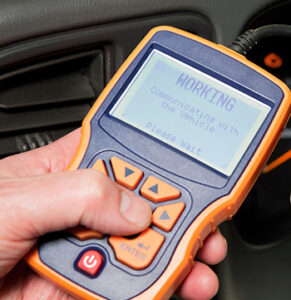
The Way to Communicate With Modern Cars
Every car built for U.S. roads since 1996 comes equipped with a standardized system known as On-Board Diagnostics II (OBD2). It lets you monitor your car’s health. It allows you to check engine performance, emissions, and many sensors.
When something goes wrong, the car’s computer (the ECU) stores a Diagnostic Trouble Code (DTC) — a short sequence of letters and numbers that describes the issue. The OBD2 scan tool is the translator between that computer and you.
Plug one into the port beneath your steering wheel, and it reads those codes instantly, turning vague warning lights into actual information: “Cylinder misfire,” “O2 sensor failure,” or “EVAP leak detected, among others.”
How an OBD2 Scanner Works
- Plug It In: Find the OBD2 scanner port (usually under the dashboard).
- Turn on the ignition: Power up the car so the scanner can communicate with the ECU.
- Read the Codes: The scanner retrieves any stored trouble codes.
- Interpret the Data: Codes are standardized — “P0300” means random cylinder misfire, for example.
- Clear and Verify: Once the issue is fixed, the code can be cleared, and the Check Engine light turns off.
Advanced scanners also display live data such as fuel trims, airflow, and sensor readings—the same information technicians use to pinpoint performance issues.
Rough breakdown of common types OBD2 Scan Tools
- Basic code readers: Read and clear generic engine/emissions codes. Cheap, simple, ideal if you just want to diagnose check-engine warnings.
- Mid-range OBD2 scan tool: In addition to codes, these show live data (sensors, engine parameters), may read more modules (e.g. ABS, transmission), and offer more detail — good for DIY maintenance or deeper troubleshooting.
- Professional/all-system tools: Provide broad module coverage (engine, transmission, airbags, ABS, SRS, etc.), live data/logging, and sometimes even advanced functions such as system resets or bidirectional commands (on applicable vehicles).
- Wireless (Bluetooth/Wi-Fi) adapters: Plug into the OBD port and interface with a smartphone, turning your phone into a scanner. Convenient for quick checks — especially if you prefer app-based dashboards.
Recommended OBD2 Diagnostic Scan Tools
Basic Code Reader

Description:
- Reads and erases check engine (MIL) codes.
- I/M readiness status test Shows when the various emissions-related systems are completed for smog testing.
- Powers up directly from the OBDII Data Link Connector in your vehicle.
- Built-in DTC Lookup: Displays code meanings directly on the device, eliminating the need to look up codes online.
- Reads and displays live ECU/PCM data stream, plotting functions graphically, and stores freeze frame data.
Bluetooth/WiFi Adapters

Description:
- Read and clear Engine, ABS, Airbag, SRS, TPMS codes, and many more.
- Wireless & Bluetooth Enabled.
- View Live Data, real-time health monitoring.
- Works with All Gas Vehicles 1996 and up. Get advanced diagnostics ABS, Airbag, SRS, and TPMS.
- User-Friendly App and Repair Videos. iOS or Android app connects to a large database of repair videos with step-by-step repairs.
- Zero Subscription Fees or Add-ons
- 24/7 professional support
Mid-Range Scanners

Description:
- Reads and clears engine, ABS, SRS, transmission, and other systems codes
- Real-Time Data & Accurate Scanning – View live sensor data
- Works with most cars, trucks, and SUVs from popular brands like Toyota, Ford, Honda, Chevrolet, Nissan, and Dodge
- No Subscriptions fees. Offers accurate and verified fixes through the RepairSolutions2 app
- Code reader offers step-by-step guidance, making it simple to perform diagnostics.
Professional Scanners

Description:
- Read and clear Engine, ABS, Airbag, SRS, TPMS, etc. codes.
- Wireless & Bluetooth Enabled.
- Bidirectional diagnostic scanner with over 3000 active actuator tests, such as ABS, fuel injectors, AC clutches, radiator fans, coolant pumps, etc.
- includes VIN Check and 28+ resets, such as injector coding, ABS auto-bleed, Oil reset, SAS calibration, BMS, throttle relearn, suspension adjustments, etc.
- in-vehicle and out-of-vehicle battery tests
- Please read the full detailed features description on Amazon
Disclosure: Los Angeles Cash for Cars may earn a commission from qualifying purchases made through links on this page.
✅ Benefits of OBD2 Scanner
For most drivers, an OBD2 scan tool is one of the smartest, most affordable tools you can own. It basically gives you direct access to your car’s brain — turning mystery warning lights into clear, actionable information. Here’s why every driver can benefit from having one:
1. Instant Answers to the Check Engine Light
No more guessing what that glowing light means. Plug in your scanner and get an exact Diagnostic Trouble Code (DTC) within seconds. Whether it’s a loose gas cap or a misfiring cylinder, you’ll know right away.
2. Save Time and Money
By identifying issues early, you can often avoid unnecessary shop visits and prevent small problems from becoming expensive ones. Even if you still take it to a mechanic, you’ll walk in knowing what’s wrong, which helps you avoid upsells or misdiagnoses.
3. DIY-Friendly Diagnostics
For anyone who likes to work on their own car, an OBD2 scanner is undeniably essential. You can read and clear codes, monitor real-time data, and verify your repairs — all from your driveway.
4. Helps with Emissions and Smog Checks
Many OBD2 scanners can run emissions-readiness tests to show whether your car is likely to pass a smog inspection. That’s a big advantage before heading to a testing station.
5. Monitor Performance and Fuel Efficiency
Higher-end or Bluetooth-connected scanners can display live sensor data, such as fuel trims, air/fuel ratio, and throttle response — perfect for enthusiasts who want to keep their car running at peak performance.
6. Works on Most Cars Since 1996
Because OBD2 is a universal standard, one scanner can work across almost every make and model sold in the U.S. for the past 25+ years — from sedans to hybrids to light trucks.
7. Peace of Mind on the Road
When you’re on a road trip or driving an older car, having a scanner in your glove box means you’ll never be left in the dark about a sudden warning light. It’s like carrying a small piece of your mechanic with you.
Bottom Line
An OBD2 scanner doesn’t just save money — it gives you knowledge and control over your vehicle’s health. Whether you’re a weekend wrench-turner or just want peace of mind on your daily commute, it’s one tool that pays for itself the first time you use it.
What Your OBD2 Scanner Won’t Tell You
OBD2 scanners are incredible tools for uncovering what’s happening under the hood — but even the best ones have their limits. They can point you toward a problem, yet they don’t always tell the whole story. Here’s what to keep in mind before relying on your scanner as the final word.
1. They Don’t Tell the Full Story
An OBD2 scan tool reads trouble codes, but those codes point to systems, not specific failed parts. For example, a “P0420 – Catalyst System Efficiency Below Threshold” code doesn’t always mean you need a new catalytic converter — it could be a bad oxygen sensor, exhaust leak, or even a software glitch.
2. Limited to Certain Systems
Most budget scanners only access the engine and emissions systems. They won’t show problems in ABS, airbags (SRS), transmissions, or body modules unless you use a higher-end or professional model.
3. Generic vs. Manufacturer Codes
Many scanners only read generic (SAE) codes, which apply to all cars. However, automakers also use manufacturer-specific codes that describe more detailed issues — and those often require an advanced or brand-specific tool to read.
4. No Mechanical Feedback
An OBD2 scanner can’t check for physical wear — like a leaking gasket, failing suspension component, or low brake pads. It’s a data tool, not a mechanic’s eye or ear.
5. Learning Curve for Beginners
Understanding codes, live data, and freeze-frame information takes practice. Without context, it’s easy to misdiagnose a problem and replace parts unnecessarily.
6. Not All Scanners Are Created Equal
Cheap tools often lack compatibility or run outdated software that fails to support newer vehicles or protocols. Choose a reputable brand with consistent updates to ensure performance and maximize efficiency.
The Bottom Line
An OBD2 scanner is an invaluable window into your car’s health — but it’s still just one piece of the diagnostic puzzle. For the best results, combine it with real-world experience, manufacturer repair data, and a good old-fashioned visual inspection.
Frequently Asked Questions About the OBD2 Port
Where is the OBD2 port located in my car?
Look for your OBD2 port under the dashboard near the steering column, usually within two feet of the driver’s seat. In some cars, it might be behind a small cover, near the center console, or in the passenger footwell. The port has a 16-pin trapezoidal connector that ensures your scan tool will only fit one way. Once you find the port, connect your scan tool to start diagnosing and maintaining your vehicle.
What does the OBD2 port do?
The OBD2 port gives you and your mechanic direct access to your car’s onboard computer (the Engine Control Unit, or ECU). By enabling scan tools to read trouble codes, monitor real-time sensor data, and assess the health of emissions and fuel systems. This helps identify problems early, verify repairs, and keep your vehicle emissions-compliant. Check your OBD2 port and consult a professional at the first sign of trouble to keep your vehicle performing its best.
Can I use any OBD2 scanner with my car?
Yes. All cars and light trucks built for the U.S. market since 1996 use the same OBD2 standard, so most scanners will work with any make or model. However, more advanced tools may include manufacturer-specific features that read additional systems, such as ABS, airbags, or transmission modules.
Can an OBD2 scanner tell if my car will pass a smog test?
Absolutely. Most scanners include an “I/M Readiness” or emissions-readiness feature that indicates whether all emissions-related systems have completed their self-tests. If all monitors are marked “Ready” and there are no active trouble codes, your car should pass a smog inspection. If any monitors are “Incomplete,” drive normally for a few days to allow the system to finish its checks before testing.
Is it safe to leave a scanner plugged into the OBD2 port?
Yes, it’s safe to leave most Bluetooth or Wi-Fi scanners plugged in during short-term diagnostics or performance monitoring. However, if your car will sit unused for more than a few days, unplug the device to prevent minor battery drain, since the port receives constant power even when the ignition is off.
When it's Time to See a Mechanic
1. When the Same Code Keeps Coming Back
If you’ve cleared a code and it returns quickly, there’s likely an underlying issue that needs deeper troubleshooting — not just a quick fix.
2. If You See Multiple or Unrelated Codes
When several systems start throwing codes at once, it could point to a wiring, grounding, or control module problem — something that’s best handled with professional testing equipment.
3. If Your Car Shows Performance Symptoms
Rough idle, hard starts, loss of power, or exhaust smoke are signs that a mechanical component may be failing. A scanner can flag data, but a mechanic can diagnose and confirm what’s really happening.
4. For Safety Systems
Anything involving airbags (SRS), brakes (ABS), or stability control deserves professional attention. These systems protect you on the road — they’re not worth guessing on.
5. Before Major Repairs
If a repair involves expensive parts — like a catalytic converter, transmission solenoid, or ECM — it’s worth paying for an expert opinion to confirm the diagnosis before you buy parts.
In Conclusion
The OBD2 port is one of the most overlooked but powerful features in any modern vehicle. With the right scan tool, you can read trouble codes, monitor real-time data, and confirm whether your car is ready for a smog test — all without a trip to the shop.
Understanding how to use the OBD2 system gives you control, confidence, and clarity when dealing with vehicle issues. It helps you make smarter repair decisions, maintain your car’s health, and avoid costly surprises.
At Los Angeles Cash for Cars, we encourage drivers to know what’s going on under the hood — whether you’re keeping your car running strong or deciding when it’s time to sell. If your vehicle won’t pass smog, has mechanical issues, or you’re ready to move on from it, we can help you get a fair cash offer fast — no repairs, no stress, and no smog test required.

Andrew Marks
Buys, sells, reconditions, and restores cars, a passion he has pursued since 2008. He owns Los Angeles Cash for Cars, a trusted car buyer serving the greater Los Angeles area. With years of hands-on experience in used cars, classic car restoration, and automotive valuation, he is passionate about educating the public on how to sell a car for cash or buy a reliable used vehicle with confidence.