
Home » Possible Causes of Automotive Engine Misfire
Why Does My Cars Engine Misfire?
- Andrew Marks
- Car Wisperer
What Is an Engine Misfire?
An engine misfire happens when one or more of your car’s cylinders fail to ignite properly. Each cylinder is designed to fire in a precise order to keep your engine balanced and running smoothly. When one of those cylinders skips or fires at the wrong time, the engine shakes, loses power, and runs inefficiently. If left unaddressed, a misfire can damage other components, such as the catalytic converter, and lead to costly repairs.
What Causes an Engine Misfire?
1. Worn or Dirty Spark Plugs
Spark plugs ignite the fuel inside your engine’s cylinders. When they’re old or fouled, they can cause a weak or no spark, leading to a misfire. Replacing spark plugs at regular intervals is one of the easiest ways to prevent this issue.
2. Faulty Ignition Coils or Plug Wires
Ignition coils provide the high voltage needed for spark plugs to fire. A failing coil or damaged spark plug wire can interrupt this process, especially under load or acceleration.
3. Clogged Fuel Injectors
4. Air or Vacuum Leaks
Air entering the engine through a cracked hose or loose connection disrupts the air-fuel ratio. This condition may cause the engine to operate with a lean mixture, increasing the likelihood of misfires, particularly at idle.
5. Faulty Sensors
Modern engines rely on sensors such as the oxygen (O2) sensor and the mass airflow (MAF) sensor to maintain the correct fuel mixture. When these sensors send incorrect readings, the engine’s computer (ECU) can’t adjust properly, resulting in poor performance and misfires.
6. Low Fuel Pressure or Weak Fuel Pump
If your vehicle isn’t getting enough fuel, multiple cylinders may misfire. This can result from a failing fuel pump, a clogged fuel filter, or a bad pressure regulator.
7. Engine Mechanical Problems
Sometimes misfires aren’t caused by ignition or fuel issues. Worn valves, low compression, or timing chain issues can also cause consistent misfires that require a mechanic’s inspection.
Common Symptoms of an Engine Misfire
What You Should Do
If your check engine light is flashing, pull over safely and shut off the car. A flashing light usually indicates a severe misfire and can damage your catalytic converter if you continue driving.
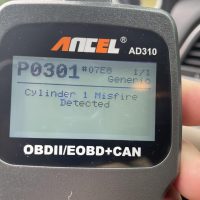
If the light stays on but isn’t flashing, it’s generally safe to drive a short distance, but you should have the vehicle checked soon. Many auto parts stores offer free OBD-II scans that can help you identify the trouble code—such as P0300 (random misfire) or P0301–P0308 (specific cylinder misfire).
Simple issues like old spark plugs or dirty injectors can often be fixed easily, but if your car continues to shake, lose power, or run rough, it’s best to have a qualified mechanic inspect it. Fixing a minor misfire early can prevent more costly repairs later.
Disclaimer: This article is intended for general informational purposes only. Automotive maintenance, repair, upgrades, and installations can vary depending on the specific make and model of your vehicle. Always refer to your owner’s manual or a reputable repair guide for instructions specific to your car, and consider seeking assistance from a licensed automotive professional—especially for advanced diagnostics or repairs.

Drew Marks
Has been buying, selling, reconditioning and restoring cars since 2008. He is the owner of Los Angeles Cash for Cars, a trusted car buyer serving the greater Los Angeles area. With years of hands-on experience in used cars, classic car restoration, and automotive valuation, he’s passionate about educating the public on how to sell a car for cash or buy a reliable used vehicle with confidence.