
Home » How to Check Engine Oil for Better Performance
How to Check Engine Oil – Checking the Level and Color Using Your Dipstick
- Andrew Marks
- Car Wisperer
An Essential Part of Car Maintenance
This guide on how to check engine oil level and condition will help you to read your dipstick and recognize warning signs early. Checking engine oil takes only a minute, but knowing what you’re looking at makes all the difference. Use the tips and information here to properly interpret both oil level and condition so you can protect your engine and avoid costly repairs.
Color & Condition Guide
| Oil Appearance | What It Indicates | Possible Problems | Recommended Action |
|---|---|---|---|
| 🟡 Light Amber / Honey | Fresh oil with proper viscosity. | None. Normal condition. | Continue normal maintenance schedule. |
| 🟤 Dark Brown / Black | Used oil absorbing contaminants as designed. | No immediate risk if oil is clean and within service interval. | Change if overdue or thickened. |
| ⚫ Thick, Gritty, or Sludgy | Oil oxidation and heavy contamination. | Restricted oil passages, sticking VVT solenoids, possible timing codes (P0011 / P0021). | Immediate oil and filter change. Additionally, inspect for sludge buildup. |
| 🟤 Milky / Creamy | Coolant contamination. | Possible head gasket failure or internal leak. | Stop driving and inspect immediately. |
| ⛽ Strong Gas Smell | Fuel dilution in oil. | Reduced viscosity and lubrication protection. | Check for injector problems or if you often take short trips. You might also want to get an oil change. |
Note: Even being just one quart low on oil can cause timing issues in modern engines with Variable Valve Timing (VVT). These systems rely on steady oil pressure to control camshaft timing. When the oil level drops, pressure can fluctuate, especially when idling or turning. This can prevent the cam phasers from working correctly. As a result, you might see timing codes like P0011 or P0021, which can cause rough running or reduced power.
How to Read a Car's Oil Dipstick
| Oil Level | What It Means | Risks | What To Do |
|---|---|---|---|
| Below Low Mark | Oil level is dangerously low. The oil pump may begin drawing air instead of oil. | Sudden oil pressure drops, oil light flickering, increased engine wear, and potential timing issues (especially with VVT systems). | Top off immediately using the recommended oil grade. Also check for leaks or excessive oil consumption. |
| Between Low & Full (Safe Zone) | Proper operating range. Oil pressure should remain stable. | No immediate risk if oil is clean and within service interval. | No action needed. While continuing regular monitoring. |
| Above Full Mark (Overfilled) | Excess oil in crankcase. | A greater risk of foaming (aerated oil), reduced lubrication efficiency, seal damage, catalytic converter damage. | Drain excess oil to proper level. Do not drive long-term while overfilled. |
How to Check Oil Properly
Checking your engine oil correctly ensures you get an accurate reading and avoid false low or overfilled results. Follow these four steps:
1. Park on Level Ground:
Make sure the vehicle is parked on a flat, even surface. If the car is on an incline, the oil will settle toward one side of the oil pan, giving you an inaccurate reading. Engage the parking brake and turn off the engine.
2. Turn the engine off & Let Oil Settle:
After shutting off the engine, wait 5–10 minutes for the oil to drain back into the oil pan. Checking too soon after shutting the engine off can show a low reading because oil is still circulating through the top of the engine.
3. Remove and Wipe the Dipstick:
First, find the oil dipstick, which usually has a yellow or orange handle. Then, pull it out and wipe it clean with a lint-free cloth or paper towel to remove any oil that might affect the reading.
4. Reinsert Fully and Check the Level:
First, insert the dipstick fully into its tube. Then, pull it out to read the level. If the oil falls between the Low and Full marks or within the crosshatched area. Lastly, inspect the oil’s color and texture for contamination.
If the oil is below the safe range, add the manufacturer-recommended oil gradually. After each addition, recheck the level until it reaches the proper range.
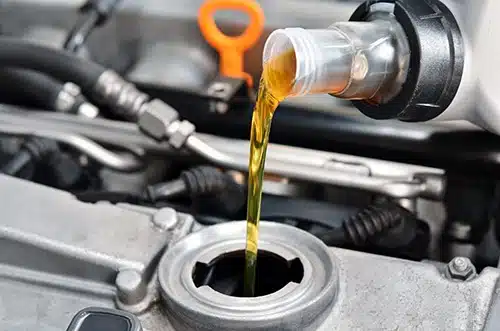
Why Regular Oil Changes and Maintenance Matter
Engine oil is essential for protecting your engine and keeping it running smoothly. When the oil level is low or the oil becomes dirty and breaks down, several systems can be affected simultaneously, leading to increased friction, heat, and wear. It’s also important to use the engine oil type and viscosity recommended by the manufacturer because modern engines are designed for specific oil flow and pressure. Using the wrong oil can reduce lubrication, lower oil pressure, and disrupt systems like Variable Valve Timing (VVT), which can hurt performance and cause faster wear. Picking the right oil helps keep your engine properly lubricated, cool, and reliable over time.
Low oil level and poor oil condition directly impact:
- Oil Pressure Stability – Proper oil pressure keeps a protective film between moving metal parts. When pressure drops, that protective barrier weakens, increasing friction and heat. Fluctuating oil pressure can also trigger warning lights and timing-related fault codes.
- Bearing Lubrication – Crankshaft and connecting rod bearings rely on a constant supply of pressurized oil. Without it, metal-to-metal contact occurs, leading to scoring, knocking noises, and eventual bearing failure — one of the most expensive internal engine repairs.
- Camshaft and Timing Chain Protection – The upper valvetrain components, including camshafts, lifters, and timing chains, depend on clean oil for lubrication and cooling. Low or dirty oil accelerates wear and can cause chain stretch, tensioner failure, or camshaft damage.
- Variable Valve Timing (VVT) Performance – Modern engines use oil pressure to adjust cam timing dynamically. Contaminated or insufficient oil can cause VVT solenoids and cam phasers to stick, resulting in rough idle, hesitation, reduced fuel economy, and fault codes such as P0011 or P0021.
- Overall Engine Longevity – Every internal component — from piston rings to oil pumps — depends on clean, properly pressurized oil. Poor maintenance shortens engine life and reduces long-term reliability.
Most major engine failures will most likely begin with low oil levels or neglected oil changes. A simple monthly oil check can prevent thousands of dollars in repairs.

Drew Marks
Buys, sells, reconditions, and restores cars, a passion he has pursued since 2008. He owns Los Angeles Cash for Cars, a trusted car buyer serving the greater Los Angeles area. With years of hands-on experience in used cars, classic car restoration, and automotive valuation, he is passionate about educating the public on how to sell a car for cash or buy a reliable used vehicle with confidence.