
Home » When Your Car’s Engine Oil Gets Old, or too Low
What Happens When Your Car's Engine Oil Gets Old, or too Low?
- Andrew Marks
- Car Wisperer
Oil is the Lifeblood of Your Car
Your car’s engine oil is essential. It keeps the engine cool, lubricated, and safe from damage by staying clean and at the right pressure. When your car’s engine oil gets old, dirty, or runs low, it can’t protect the engine properly, leading to serious issues.
If the oil is old or low, it can cause problems like low oil pressure, timing system errors, worn bearings, overheating, and even engine failure. Knowing how these problems happen is the first step to avoiding them.
What Engine Oil Actually Does
Engine oil is much more than just a lubricant. It performs three critical functions inside your engine:
- Lubrication – Oil forms a thin film between moving metal parts, such as crankshaft bearings, cam lobes, piston rings, and valve lifters. This stops metal parts from rubbing together, which causes heat, friction, and wear.
- Cooling – Oil draws heat from combustion and friction and moves it away from pistons, bearings, and cylinder walls. This keeps engine temperature stable and prevents hot spots that cause warping or pre-ignition.
- Cleaning and Suspension – Oil picks up contaminants like carbon particles, unburned fuel, and microscopic metal shavings. The oil filter catches these impurities so they don’t keep moving through the engine’s precision components.
If engine oil becomes low or degraded, it can’t properly lubricate, cool, or protect internal components, leading to increased wear and costly repairs.
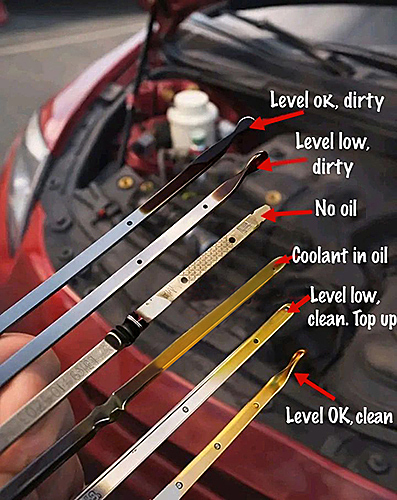
When to Check and Change the Engine Oil
Check your oil level at least once a month and top it off with the recommended grade if needed. Most modern vehicles require synthetic oil and filter changes every 5,000 to 7,500 miles. Many older vehicles may need service every 3,000 to 5,000 miles. Always follow your owner’s manual for the correct interval.
Watch for warning signs like the oil pressure light, dark or gritty oil on the dipstick, or unusual engine noises — all signs that maintenance may be overdue.
The Common Engine Issues Related to Oil
1. The Dangers of Low Oil Level
Low oil levels are among the most common causes of internal engine failure. Even being a quart or two low can create serious lubrication and oil pressure problems.
Common symptoms and effects of low oil:
- Oil light flickering or staying on – Indicates a drop in oil pressure. The oil pump may be drawing in air because the oil pickup tube is partially exposed when the level is too low.
- Valve train noise or ticking: hydraulic lifters or cam followers lose oil pressure, allowing clearance to form between components. This creates a rhythmic ticking sound that increases with RPM.
- Engine overheating – Without sufficient oil to absorb and carry away heat, temperatures rise quickly, especially under load or at highway speeds.
- Bearing wear or failure – The crankshaft and connecting rod bearings rely on a pressurized oil film for protection. When oil pressure drops, the film collapses, and metal surfaces begin to score and seize.
- Camshaft and timing damage – Insufficient oil flow to the top end can starve camshafts, cam phasers, and timing chains, leading to excessive wear and triggering timing-related codes such as P0011 and P0021.
- Engine seizure – In extreme cases, metal friction welds components together, locking the engine completely.
Running even briefly with low oil can dramatically shorten an engine’s life.
2. Problems Caused by Old or Dirty Oil
Oil has a limited lifespan. Over time, it becomes contaminated with carbon, fuel residue, and moisture, eventually turning thick and sludgy. When that happens, it can’t circulate properly or maintain stable oil pressure.
Common problems caused by old or dirty oil
- Thick, dark, or gritty oil – Indicates oxidation and contamination. Thick oil moves slowly through passages, reducing lubrication during cold starts.
- Sluggish acceleration or rough idle – Dirty oil can cause the variable valve timing (VVT) solenoids to stick, preventing proper camshaft adjustment and reducing power.
- Check engine light with codes like P0011 or P0021 – The ECM detects that cam timing is “over-advanced” due to slow or restricted oil flow in the VVT system.
- Sticking piston rings – Old oil forms carbon deposits on pistons and rings, leading to oil consumption and blow-by.
- Increased engine noise – A lack of lubrication in upper-end components, such as cam bearings and lifters, can cause rattling or knocking.
- Hydraulic lifter failure – Sludge buildup blocks oil passages inside the lifters, preventing them from maintaining proper valve clearance.
3. Using the Wrong Oil Type or Viscosity
Every engine is designed for a specific oil viscosity (for example, 5W-30 or 0W-20). That viscosity ensures the oil flows freely at startup while maintaining pressure at operating temperature. Using the wrong oil grade can create both lubrication and timing problems.
Effects of incorrect oil viscosity:
- Oil too thick (high viscosity)– Slows oil circulation, especially when cold. VVT solenoids may react sluggishly, and oil pressure may build unevenly, causing cold-start ticking and delayed timing control.
- Oil too thick (high viscosity)– Fails to maintain adequate pressure under heat or high RPM, ultimately reducing protection for bearings and camshafts. Thin oil can also leak past worn seals or rings more easily.
- VVT malfunctions – Variable valve timing relies on quick changes in oil pressure to adjust cam angles. Using the wrong oil viscosity disrupts this balance, potentially leading to poor engine performance or timing errors.
- Reduced fuel efficiency – Using the wrong oil can also reduce fuel efficiency because the engine has to work harder to fight friction or fix timing issues.
Always stick to the oil viscosity recommended by your vehicle’s manufacturer and use a high-quality filter made for your engine’s oil flow needs.
4. What Happens When Oil Problems Are Ignored
Ignoring oil maintenance doesn’t just shorten engine life — it accelerates the wear of every precision part inside. Over time, friction and heat take their toll, and what starts as minor noise can become catastrophic failure.
Long-term consequences of neglecting oil issues:
- Timing chain stretch or failure – Chains and tensioners need oil pressure to stay tight. Without enough oil, they stretch, which leads to rattling, poor timing, and misfire codes.
- Scored camshafts and bearings – Without proper lubrication, grooves will eventually form on the metal surfaces, permanently reducing oil flow.
- Worn piston rings and oil consumption – Heat and carbon buildup weaken the piston rings, allowing oil to burn off in the combustion chamber and causing blow-by — a condition where combustion gases leak past the rings into the crankcase, reducing engine efficiency and increasing oil contamination. This causes
- Engine knock or rod bearing failure – As bearing surfaces wear, gaps widen, causing knocking sounds and eventually bearing damage.
- Complete engine failure – Once bearings seize or timing components fail, replacement of the entire engine will most likely be the only option.
Once sludge begins forming, it’s difficult to remove without professional cleaning or partial disassembly.
5. How to Prevent Oil-Related Engine Problems
Prevention is simple and inexpensive compared to major repairs. Regular oil maintenance keeps your engine running clean, cool, and quiet.
Maintenance habits that protect your engine:
- Check oil level regularly – At least once a month or before long trips. Use the dipstick to verify both level and condition.
- Change oil and filter on schedule – Follow your owner’s manual or do it more frequently in severe conditions (short trips, heavy traffic, or extreme temperatures).
- Use the correct oil viscosity – Stick with manufacturer-recommended grades for best performance and timing system operation.
- Inspect for leaks – Check under the car and around valve covers, the oil pan, and filter housing. Fixing small leaks early prevents costly oil loss later.
- Replace filters and seals – A clogged oil filter restricts flow and can cause pressure drops. Always use quality parts.
- Pay attention to warning lights – A flickering oil light, check engine light, or timing-related code like P0011/P0021 is a direct signal that oil flow or pressure isn’t right. Don’t ignore it.
Final Thoughts
Oil might seem simple, but it’s the lifeblood of every engine. Running on old, dirty, or low oil can cause more damage than most drivers realize — from worn bearings and timing chain failures to complete engine seizure.
By following a consistent maintenance routine, using the right oil, and addressing any oil light or check engine code immediately, you can prevent the most common oil-related engine problems and keep your car running reliably for years to come.

Andrew Marks
Buys, sells, reconditions, and restores cars, a passion he has pursued since 2008. He owns Los Angeles Cash for Cars, a trusted car buyer serving the greater Los Angeles area. With years of hands-on experience in used cars, classic car restoration, and automotive valuation, he is passionate about educating the public on how to sell a car for cash or buy a reliable used vehicle with confidence.