- Andrew Marks
My California Release of Liability is Complete – Now What?
So, you sold your car and filed a California Notice of Transfer and Release of Liability (NRL) with the DMV, thinking you were done. Then, you start getting parking tickets, toll violations, or impound notices in your name. If this has happened to you, you’re not alone.
Many California car sellers face this problem.Even if you do everything right, issues with the DMV system or the buyer’s actions can cause authorities to issue tickets or violations in your name after the sale.
We’ll explain why this happens, what it means for you, and how you can fix it quickly.
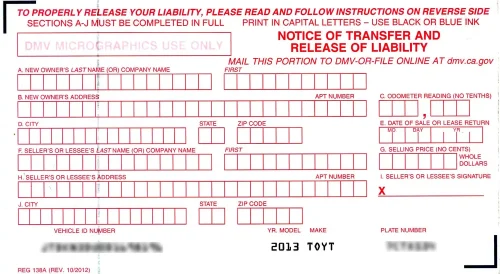
What the California Notice of Transfer and Release of Liability Does
If you sell a car in California, you need to file a Notice of Transfer and Release of Liability (NRL) with the DMV. This lets the DMV know you’ve sold the car and are no longer responsible for it.
You can file your NRL online or by mail. Doing this protects you from being responsible for the car after you sell it. However, the DMV will not update its records until the buyer completes the title transfer and registers the car, so you will remain listed as the owner until then.
Common Reasons You’re Still Getting Tickets After Filing Your NRL
1. The Buyer Never Registered the Vehicle
This is the most common reason sellers get stuck with tickets or toll notices after selling a car. If the buyer never completes the registration transfer at the DMV, the vehicle stays in your name in the state’s database.
Even though you filed your NRL, the DMV can’t mark the ownership as “transferred” until the buyer submits their side of the paperwork. This means parking tickets, toll violations, or impound fees may still come to you.
How to fix it: Contact the ticketing agency (e.g., Los Angeles Parking Enforcement or FasTrak) and provide:
- A copy of your NRL confirmation
- A bill of sale or receipt showing the sale date
- Any communication showing when the car was sold
Once they verify your sale date, they can often dismiss or reassign the citation to the new owner.
2. The NRL Was Submitted with Errors or Didn’t Process Correctly
Sometimes, online NRL submissions don’t fully process if there’s missing or incorrect information — like a typo in the VIN, sale date, or license plate number. Without a valid confirmation, the DMV may not have completed your file.
How to fix it: Check your NRL submission status on the California DMV website. If you didn’t receive a confirmation number, call the DMV at (800) 777-0133 to verify. You may need to resubmit the form or mail in a copy of your original sale documents.
3. The Violation Happened Before the Transfer Was Processed
How to fix it: Submit a copy of your dated bill of sale, any text or email communications confirming the sale, and your NRL confirmation to the issuing agency. They can often adjust the date and remove your responsibility.
4. The Car Was Re-Sold or Abandoned
Sometimes buyers flip or abandon vehicles without ever registering them. The car might change hands multiple times, but your name remains the only one on file.
How to fix it: File a Statement of Facts (Form REG 256) with the DMV explaining the situation. Attach your NRL confirmation and proof of sale. This helps protect you from future legal or financial issues related to the car.
How to Protect Yourself When Selling a Car in California
- Always use the online NRL; it’s quicker, and you receive instant confirmation.
- Be sure to keep all documentation together, including the bill of sale, title transfer slip, and buyer’s contact info.
- Act now: Submit your NRL immediately after the sale—before the buyer drives away.
- Act fast if you get tickets—send proof of sale and the NRL to the agency immediately to avoid additional fines.
The Bottom Line
Filing your California Release of Liability is an important step — but it’s only half of the process. Until the buyer completes their registration, the DMV still sees you as the legal owner.
To avoid future headaches, keep all sales documents, respond to tickets promptly, and follow up with the DMV to ensure your NRL was processed correctly. If you want to avoid these hassles altogether, consider selling your car directly to a licensed cash car buyer like Los Angeles Cash for Cars, who handles all the DMV paperwork for you.

Drew Marks
Has been buying, selling, reconditioning and restoring cars since 2008. He is the owner of Los Angeles Cash for Cars, a trusted car buyer serving the greater Los Angeles area. With years of hands-on experience in used cars, classic car restoration, and automotive valuation, he’s passionate about educating the public on how to sell a car for cash or buy a reliable used vehicle with confidence.